

 Something else? Ask Aunt Vadge – bottom left of your screen!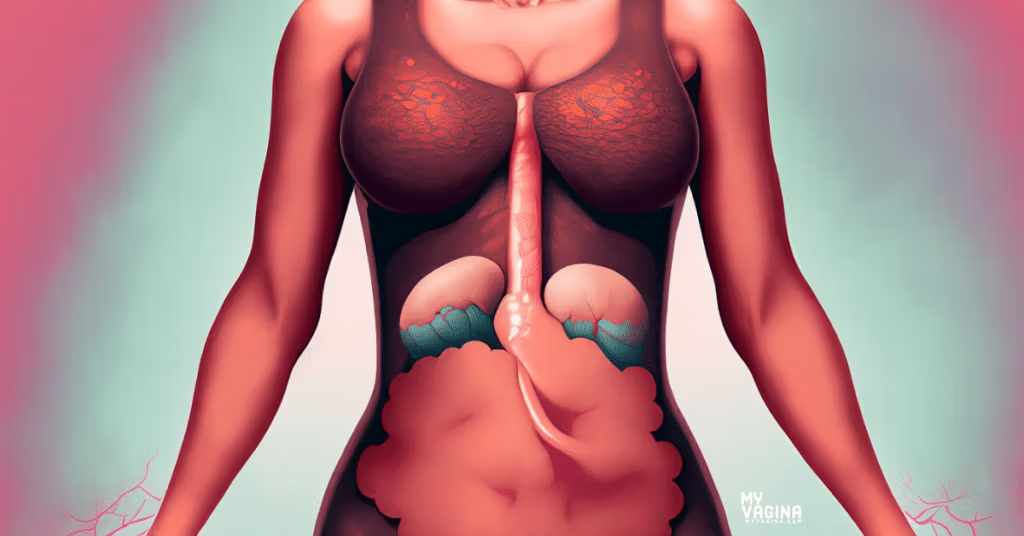

Picture this: you’re tossing and turning at night, drenched in sweat, experiencing hot flushes (or flashes, depending where you live!), and feeling your heart race.
These are common scenarios for many women going through perimenopause and menopause. But have you ever considered that heightened stress levels might intensify these symptoms? This is precisely why we here at My Vagina advocate for adrenal support during this significant life transition.
Handling perimenopause
Typically kicking off in your mid-40s to 50s1, perimenopause varies in duration from one person to another, generally lasting between 2 to 7 years.
In Australia, the average woman is likely to encounter menopause – the cessation of menstrual periods – around the age of 51, give or take five years.
As menopause approaches, our ovaries wind down, producing less oestrogen and progesterone, leading to the array of symptoms many experience.
The important role of adrenal glands during menopause2,3
Perched atop our kidneys, the adrenal glands are key hormone producers. Best known for generating adrenaline and cortisol, these hormones are integral to our stress response and the regulation of our sleep/wake cycles.
If you’re noticing issues like disrupted sleep, altered stress response, mood swings, or a dip in energy levels, it might be a signal that your adrenal glands need some TLC. Extended periods of stress can take a toll on these glands.
With the decline in ovarian function, the adrenal glands step up, producing a hormone that can transform into oestradiol, a type of oestrogen beneficial for bone, heart, and neurological health post-menopause. This highlights the significance of maintaining adrenal gland health during this phase.
Assessing your stress levels
Ask yourself: are you constantly on the go? Do you feel a constant hum of anxiety trying to cram everything into your day? Wishing for a few extra hours?
If you’re nodding along, these are signs of everyday stress that could be exacerbating symptoms like hot flushes, palpitations, and night sweats.
It’s not uncommon for those in perimenopause to juggle hefty responsibilities both at work and home. Yet, many women don’t acknowledge their stress, possibly because society has normalised this relentless balancing act.
Adrenal support in menopause management
In our clinical practice, we place a significant emphasis on adrenal health for women undergoing menopause. A touch of herbal adrenal support can make a world of difference in alleviating menopausal symptoms.
We advocate for a holistic approach, incorporating herbal remedies with lifestyle adjustments to mitigate stress triggers. Activities like yoga, meditation, and journaling can support adrenal health.
Following a consultation, we craft personalised herbal tonics tailored to support adrenal function and manage stress responses.
Here at My Vagina, we blend adrenal-supportive herbs with traditional menopausal herbs like black cohosh and sage to tackle symptoms such as hot flushes and night sweats. The synergy of these herbs, tailored to each individual’s needs, often yields good outcomes.
It is worth saying plainly that menopausal hormone therapy (MHT, also called HRT) is the most effective medical treatment for hot flushes and night sweats for many women, and it is well worth discussing with your doctor. Herbal and adrenal support can work alongside it, or suit people who cannot use MHT or would rather not – the right path is the one that fits you.
If you’re curious about how adrenal support could ease your menopausal journey, we’re here to guide you. Together, we can explore the herbal solutions that resonate best with your body and lifestyle. Book an appointment with one of our specialist practitioners, and we can smooth the transition to being period-free.
Frequently asked questions
Can stress make menopause symptoms worse?
Yes. Stress raises cortisol and activates your fight-or-flight system, which can intensify hot flushes, palpitations, poor sleep and mood swings. Managing stress will not stop menopause, but it can genuinely take the edge off symptoms for many women.
What do the adrenal glands have to do with menopause?
As the ovaries wind down, the adrenal glands become a more important source of the androgens your body converts into oestrogen in other tissues. They also drive your stress response, so supporting them – mainly by managing stress and sleep – can help you weather the transition.
What actually helps menopausal hot flushes?
Menopausal hormone therapy (MHT) is the most effective medical treatment for hot flushes and night sweats. Lifestyle changes, stress management and some herbs (such as black cohosh and sage) can help too, with more modest and variable evidence. It is worth discussing all the options with a knowledgeable practitioner.
Is ‘adrenal fatigue’ a real diagnosis?
‘Adrenal fatigue’ is not a recognised medical diagnosis, and persistent symptoms should be properly investigated (thyroid, iron, sleep, mood and menopause itself can all be involved). That said, chronic stress genuinely dysregulates the cortisol system, and supporting stress physiology is a reasonable, helpful goal.
This article is general information and reflects our clinical approach, not personalised medical advice. Menopausal hormone therapy is the most effective medical option for many women and is worth discussing with your doctor, and herbs such as black cohosh are not risk-free (rare liver effects have been reported). Please see an experienced practitioner or doctor to find the safest, most effective approach for you.
- Do K, Treloar S, Pandeya N, et al. Predictive factors of age at menopause in a large Australian twin study. Hum Biol. 1998;70(6):1073-1091.
- Stamou MI, Colling C, Dichtel LE. Adrenal aging and its effects on the stress response and immunosenescence. Maturitas. 2023;168:13–19.
- Woods NF, Mitchell ES, Smith-DiJulio K. Cortisol levels during the menopausal transition and early postmenopause. Menopause. 2009;16(4):708–718.