

 Something else? Ask Aunt Vadge – bottom left of your screen!
Understanding pain receptors in vulvodynia that cause burning pain – the C fibre
There are certain pain fibres that cause the slow, long, burning pain of vulvodynia. Understanding a these fibres can shed some light on vulvodynia.
Understanding and treating hormonal vulvodynia
Vulvodynia may have hormonal roots, ranging from being on the the pill , taking certain medications. or having lost an ovary or breast to cancer.

Congenital or acquired neuroproliferative vulvodynia
We take a look at neuroproliferative vulvodynia, where there are too many pain-sensing nerve-endings around the vaginal entrance.
Can povidone iodine cure a yeast infection?
We discuss the role of liquid povidone-iodine in successfully treating a vulvovaginal yeast infection.
March 6-7th, 2019 – Women and their Microbes Conference
Practitioners, check out the upcoming Women and their Microbes conference in Hamilton, Canada.
Rose oil and black sesame vaginal pessary for PID and vaginal infections
How to make the rose and sesame vaginal pessary mixture.
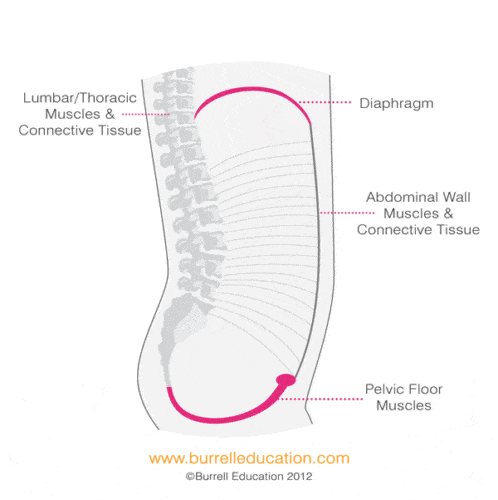
Understanding the pelvic floor
The pelvic floor is critical for supporting pelvic organs, keeping us going to the toilet effectively, and enjoying sex.
How fertile is precum?
The pull-out method has been used successfully for all of humankind, but why does it work for some people and not for others? We explain.
What happens to your vagina during a vaginal birth
Here we outline all the things that may affect your vagina and vulva when you give birth vaginally, from contractions to the effect on vaginal tissue.
How your gut bacteria affect oestrogen levels
The relationship between your gut bacteria and oestrogen is crucial for hormonal balance, affecting everything from vaginal health to bone density.
Tissue laxity in the labia and vagina
The saggy labia and loose vagina have one main cause: stretched or damaged collagen fibres. Repairing this can be challenging, but with advances in physiotherapy and surgical techniques, and technology, you do have options.
Got a new boyfriend and BV? How to explain it
We take you through a few tips on how to talk to a new guy about your vagina problems without destroying your self-esteem.
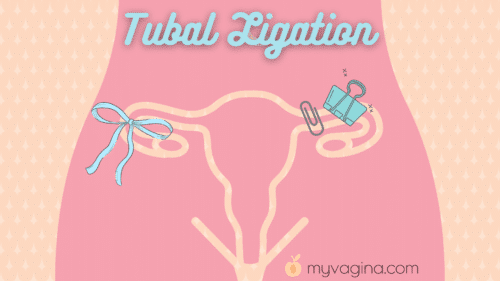
Getting your tubes tied – female sterilisation – tubal ligation
Getting your tubes tied is now much more like getting your tubes clipped, but the result is the same: the egg cannot meet the sperm to create a pregnancy. This is called tubal ligation and female sterilisation.

Hysterectomy survival kit
A hysterectomy is a major surgery for any woman, so prepare yourself with some top tips from those who have come before you.

Stress urinary incontinence
Stress urinary incontinence is a condition whereby urine leaks when you laugh, cough or sneeze, and if caught early enough, may be completely reversible.
COMPANY CLOSED Review: Ubiome SmartJane PCR tests – how useful?
Here is a quick overview of the Ubiome SmartJane PCR tests for understanding your vaginal microbiome a little better, and managing your risk profile for certain reproductive disorders.

Having trouble convincing your guy that he’s part of the BV puzzle?
We help guide you through what to do with a man who is finding it difficult to accept his part in the BV problem, and is refusing to educate himself or treat himself.
Review: Wipegel by Zero Taboos (for haemorrhoids)
Wipegel is an alternative to wet wipes or dry toilet paper for use with haemorrhoids to help reduce the opportunity for vaginal or urinary tract infections. Natural ingredients, including 30 per cent witch hazel.

Haemorrhoids and vaginal infections/UTIs
Haemorrhoids can cause faeces to accumulate around your anus after the toilet, creating a reservoir of bacteria. This bacteria can more easily spread to the vagina simply by regular movements. We offer some options for keeping your haemorrhoids debris-free.
Mobiluncus and bacterial vaginosis
Mobiluncus species are anaerobic bacteria found in the vagina and bowel, with two species identified that are connected with BV in women: Mobiluncus curtisii and Mobiluncus mulieris. Mobiluncus develops biofilms, is very mobile, and highly adhesive to vaginal epithelial cells.