

 Something else? Ask Aunt Vadge – bottom left of your screen!
A rice husk in the uterus, and how it might have got there – a case study
A 1 cm paddy husk stuck to the lining of a 60-year-old's uterus explained her bleeding after menopause, and how it got there remains an open question.
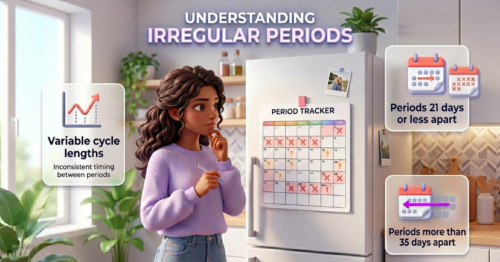
Polymenorrhea (more than one period within 21 days)
Periods arriving more than once every 21 days? Here are the hormonal and structural causes of polymenorrhea, and when frequent bleeding needs checking.
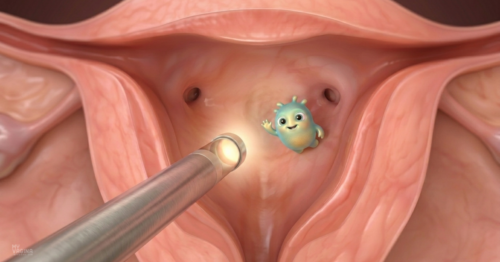
Hysteroscopy: what it is and what to expect
A thin camera lets a doctor look right inside your uterus. Here's what a hysteroscopy is for, what it feels like, and what to expect afterwards.
Does endometriosis affect the vaginal microbiome?
What the research really says about endometriosis and your vaginal microbiome.
Vaginal bromocriptine for adenomyosis: a pilot trial
A small trial of vaginal bromocriptine eased period pain and heavy bleeding in adenomyosis – a rare non-contraceptive lead for an under-served condition.

Understanding leuprolide (Lupron) and GnRH agonist drugs
Leuprolide (Lupron) is a GnRH agonist that lowers oestrogen to manage endometriosis, fibroids, IVF and precocious puberty. How it works, its side effects, and how to support your body through it.

New understandings of endometriosis
New research offers some interesting new pathways to explore when treating endometriosis.

Is my period pain normal?
Period pain is common, but severe period pain isn't normal. What counts as normal, the red flags, causes like endometriosis, and natural relief that helps.
Withdrawal bleeding
We explain why you are told to take a 7-day break from the contraceptive pill, ring or patch, and what bleeding in the middle of your cycle means when using hormone therapy.
Vulvar endometriomas
Vulvar or vaginal endometriomas are painful cysts that occur due to endometriosis.
Treating endometriosis
Treating endometriosis can be tricky, with a handful of medical and naturopath treatment strategies, often used in combination.
Understanding endometriosis
Endometriosis is a common reproductive disorder in women that causes significant pain, infertility, and sometimes huge disruptions to a woman's life. The period-producing cells in our uterus start to grow outside of the uterus (and attach to our internal organs), and bleed - like a period does - every month.
Study: the relationship between endometritis (inflammation of the endometrium) and BV
Women with BV more often have an inflamed endometrial lining than those without BV.
Understanding and treating endometritis
How is endometritis different to PID? We discuss what endometritis is and how it's treated, with the two varieties - pregnancy and non-pregnancy-related endometritis. Each is separated out due to its causes.
Uterus didelphys
A double uterus usually also means a double cervix and a double vagina - but not always.
Unicornuate uterus (hemi uterus) – müllerian duct anomalies
A unicornuate uterus is an anatomical abnormality that occurs when the two sides of the body are fusing together in the womb, and the mullerian ducts fuse abnormally. This is known as a mullerian duct abnormality, and can affect the size and shape of the uterus.
Endometrial cancer: symptoms, causes and treatment
Endometrial (womb) cancer explained: the key warning sign, who's at risk, plus stages, survival rates and treatment.
Aunt Vadge: sex wound or irregular period?
Unexpected bleeding after a sex cut, while on the pill? It's often pill breakthrough bleeding rather than the cut – here's how to tell, and when to see a doctor.
Dysfunctional uterine bleeding (DUB) (spotting, mid-cycle bleeding)
Dysfunctional uterine bleeding is irregular or unusual bleeding that needs to be investigated. Uterine bleeding should, technically, only happen during your period, so if it's not your period, it must be something else.
Causes of mid-cycle spotting and bleeding
There are a few reasons for mid-cycle or unusual spotting and bleeding between periods, ranging from birth control breakthrough bleeding to issues with the cells on the cervix. Understand why you might have mid-cycle spotting or bleeding.
- 1
- 2